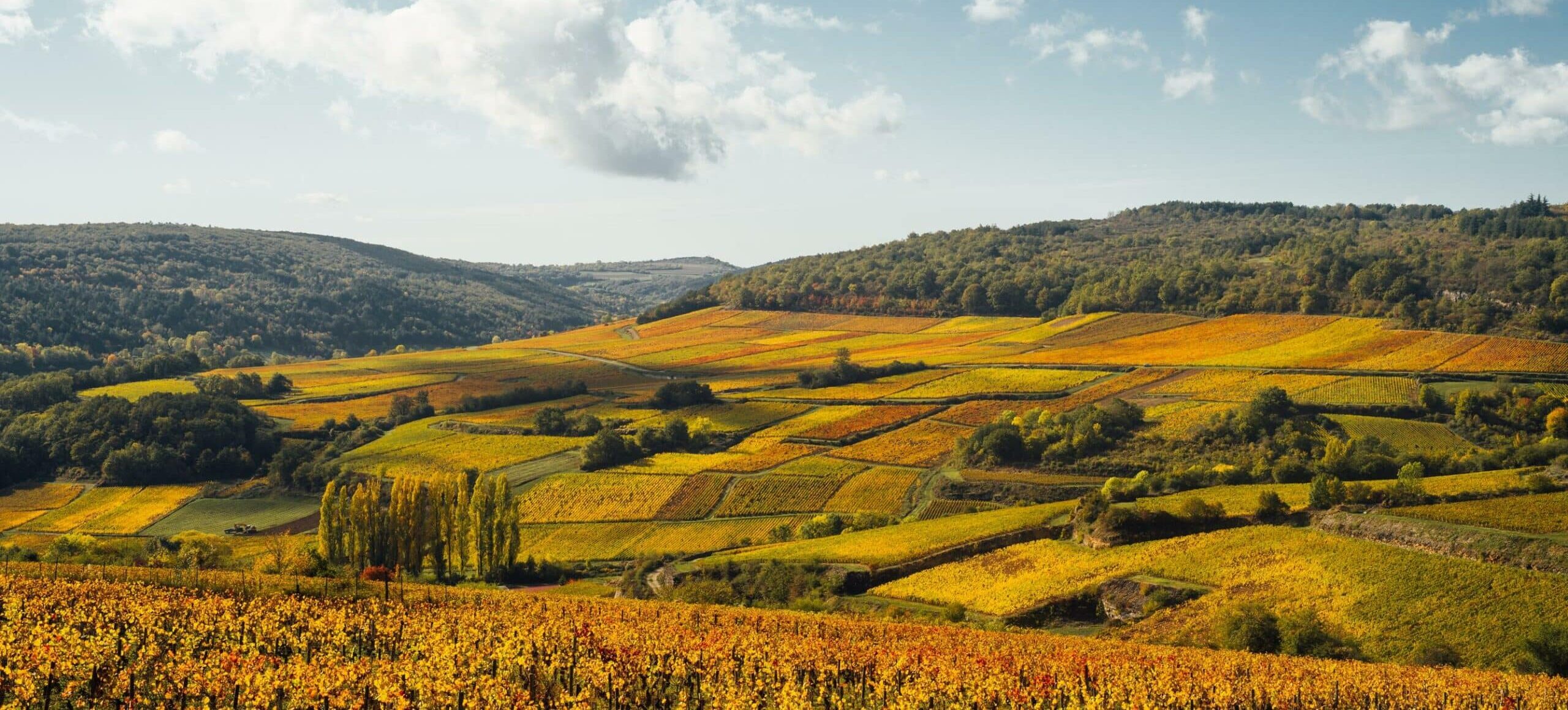
France can be visited all year round, but every region has its own window. A stay in Provence in July and the same stay in October have almost nothing in common: light, temperature, crowds, rates, everything shifts. We plan our clients’ departures around four periods, each with its own favorite regions. This guide breaks down these windows season by season, from spring to the Christmas markets, with a region-by-region summary at the end of the page.
Spring combines the most advantages across the largest number of regions. April stays discreet: showers pass quickly, sites reopen their summer hours and prices haven’t climbed yet. The gardens of Versailles and the Loire come out of winter, terraces reopen, and daylight stretches to nearly 10pm at the solstice. The major sites stay accessible without the summer crowds.
May concentrates the French public holidays and the Cannes Film Festival, which puts real pressure on hotel availability along the Riviera: better to book two months ahead if your stay falls on a long weekend. June remains our favorite month: mild heat, the first lavender at the end of the month, crowds still reasonable everywhere, and evening light that stretches late.
Our recommended regions in spring: Île-de-France for its gardens and châteaux, Normandy for its apple trees in bloom, and Burgundy for its first winemakers’ terraces.
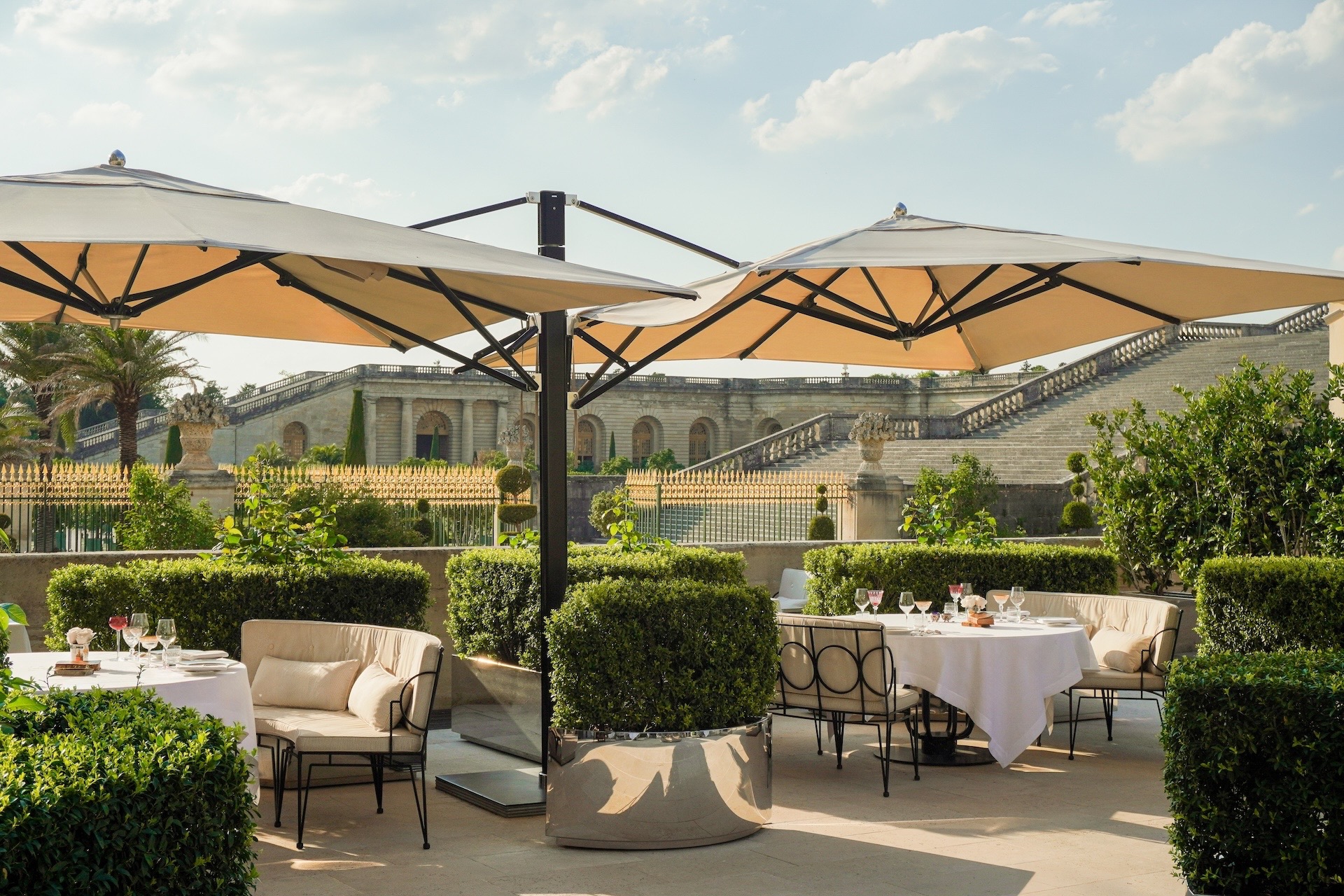
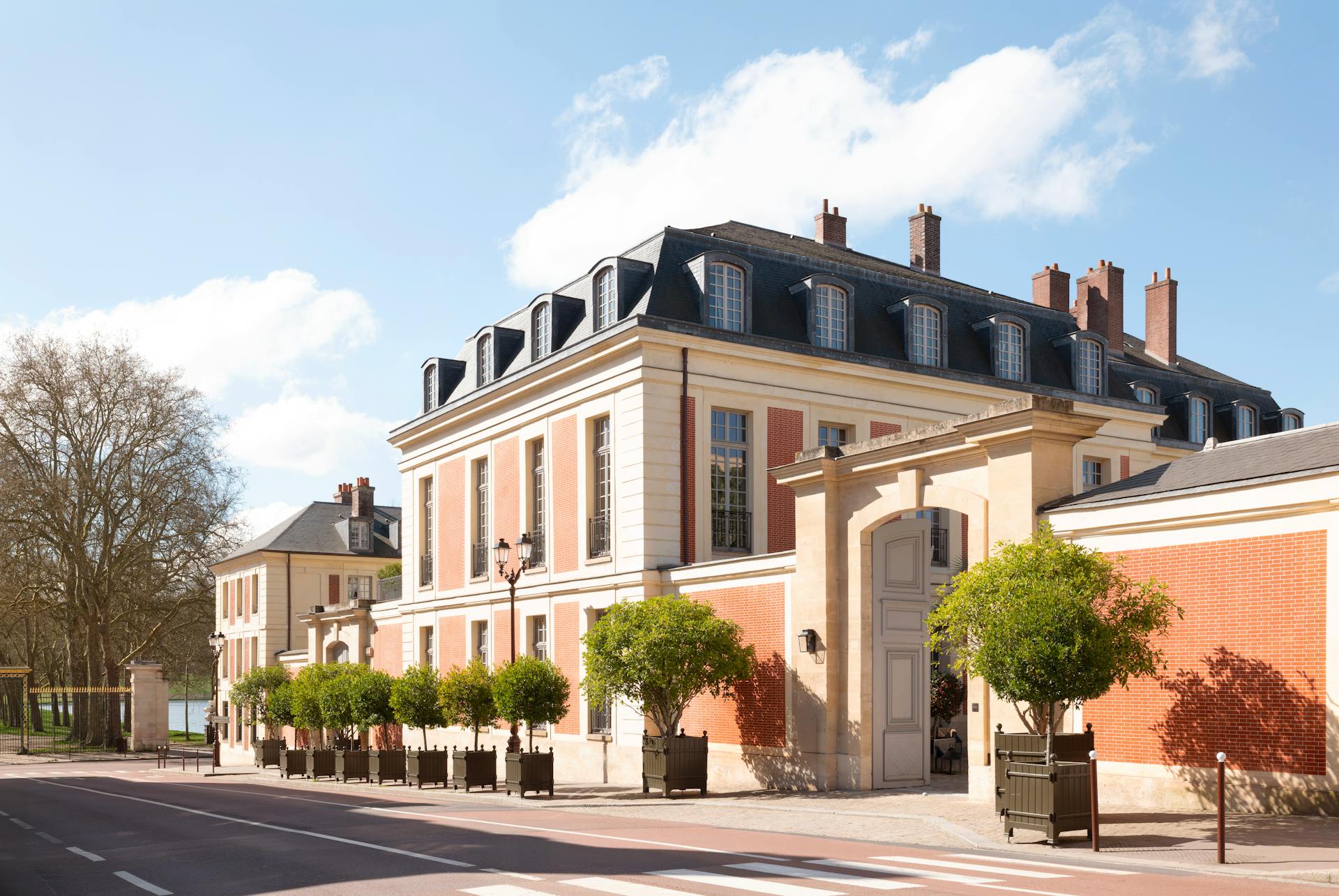
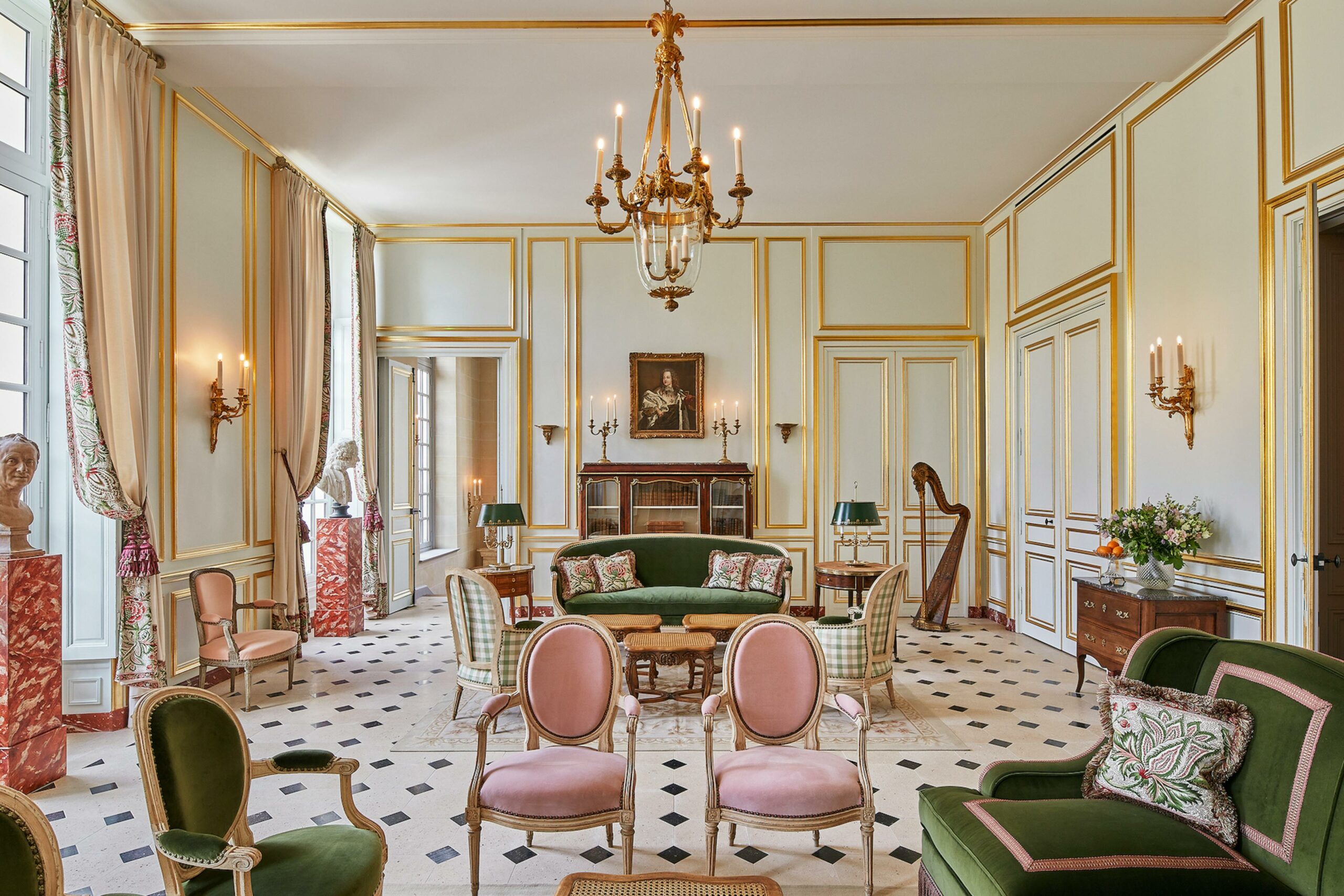
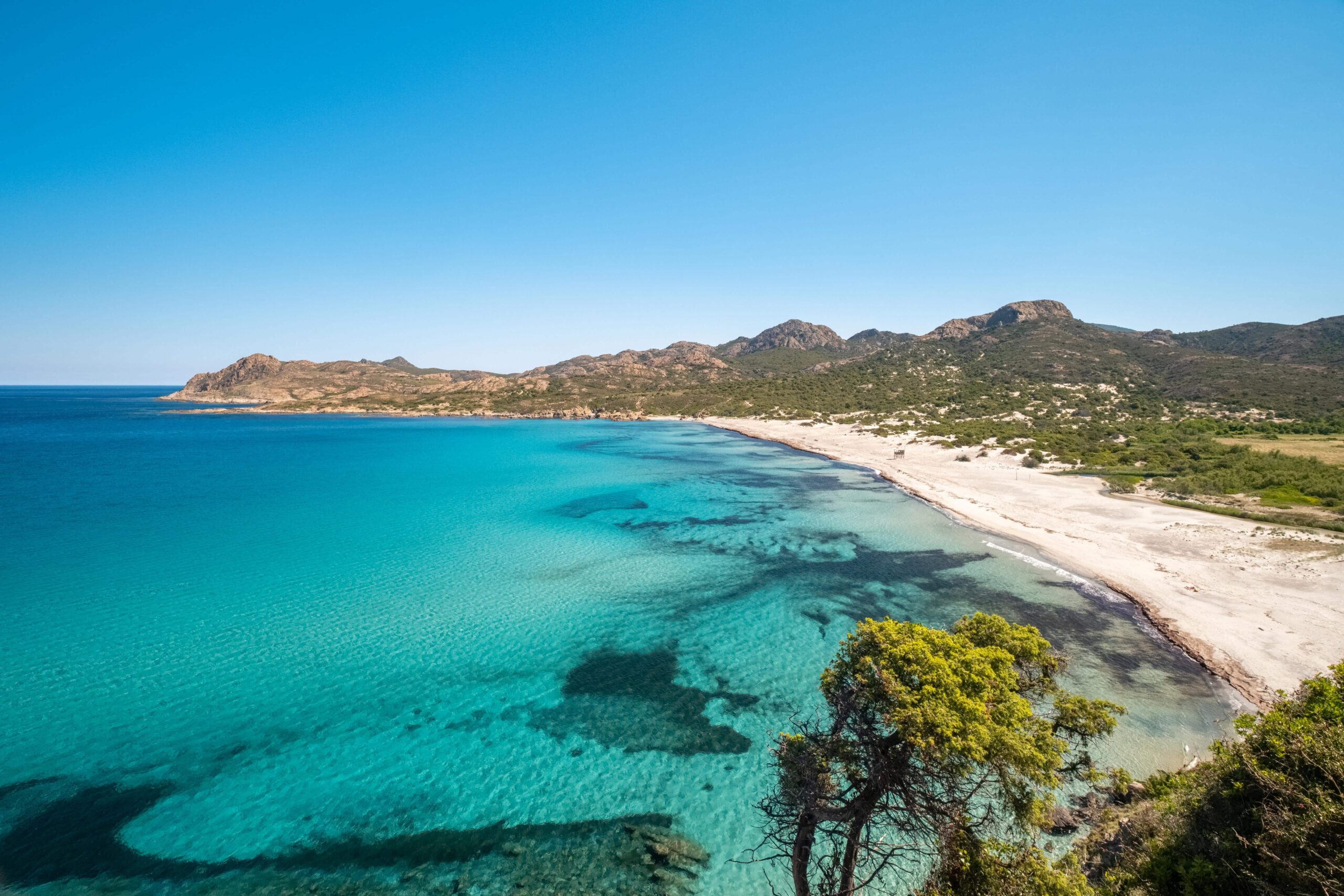
Summer offers the most beautiful light in the South and the highest temperatures, often above 30°C in Provence and sometimes more during heat peaks. Lavender on the Valensole plateau peaks around mid-July, just before the first harvest, then the fields lose their color within days. In Corsica, the sea stays warm into September, and the coves of the south, reachable only by boat or on foot, justify the trip on their own.
August calls for more care. Part of Paris closes for the holidays, traffic heading south builds on the first weekend of the month, and the best addresses are fully booked months ahead. August 15th often marks the peak of the crowds on the Riviera, before a sharp drop-off in the final week of the month. We usually block August accommodation the previous autumn.
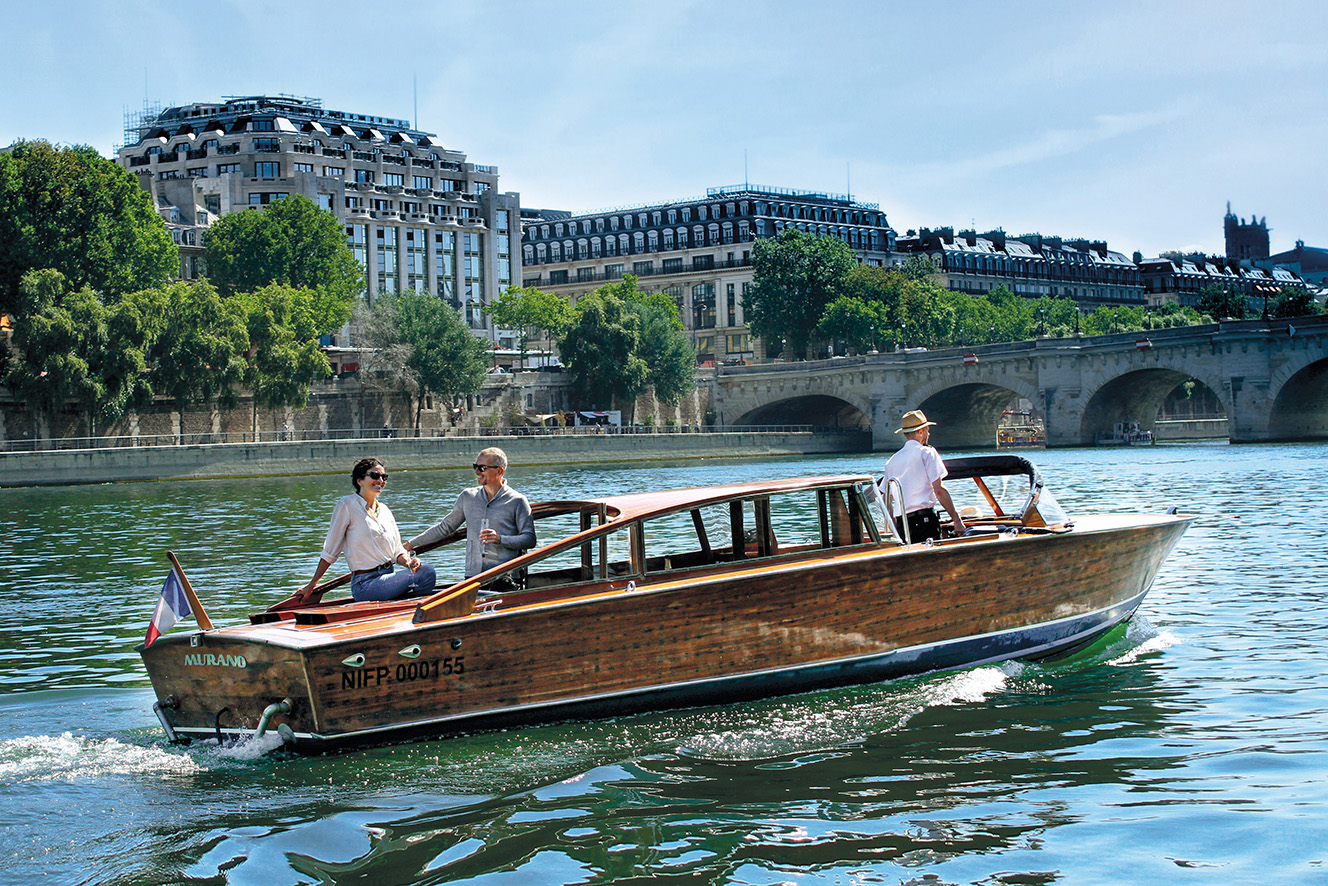
Our trick for summer: favor private experiences early in the morning or late in the day, when the heat fades and the sites empty out. A private Seine river cruise at sunset beats any midday visit, and lets you escape the crowds on the quays.
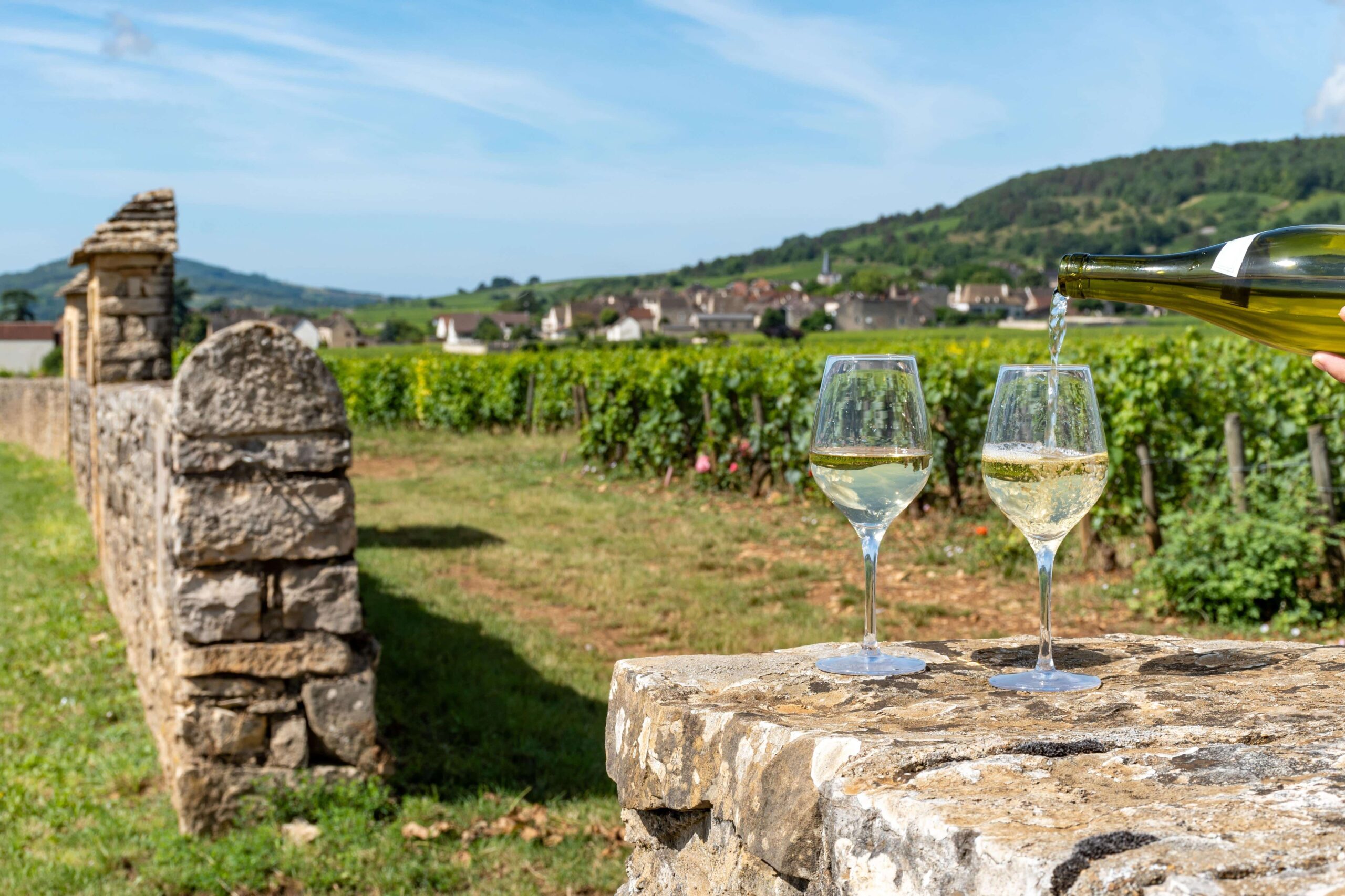
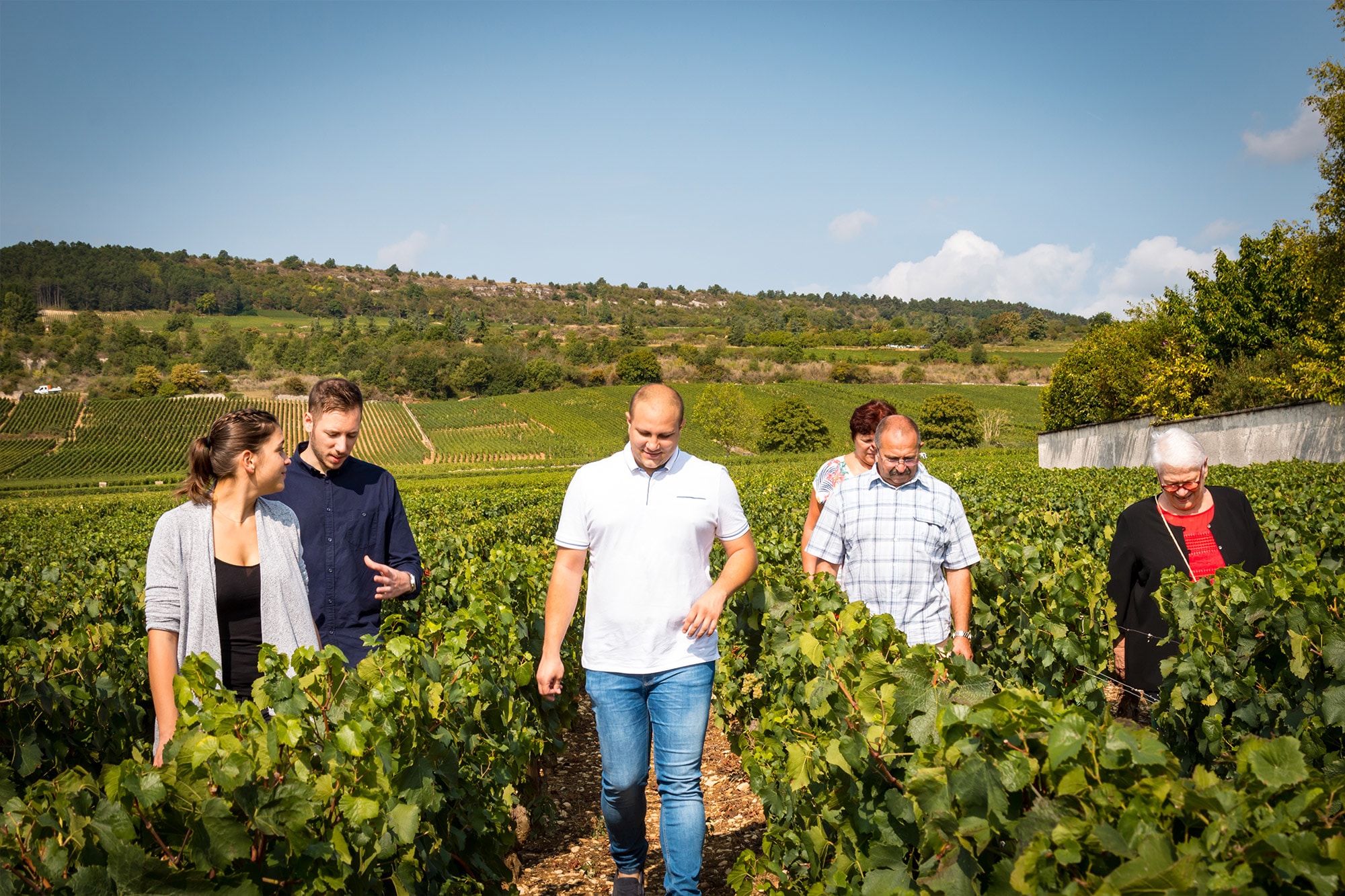
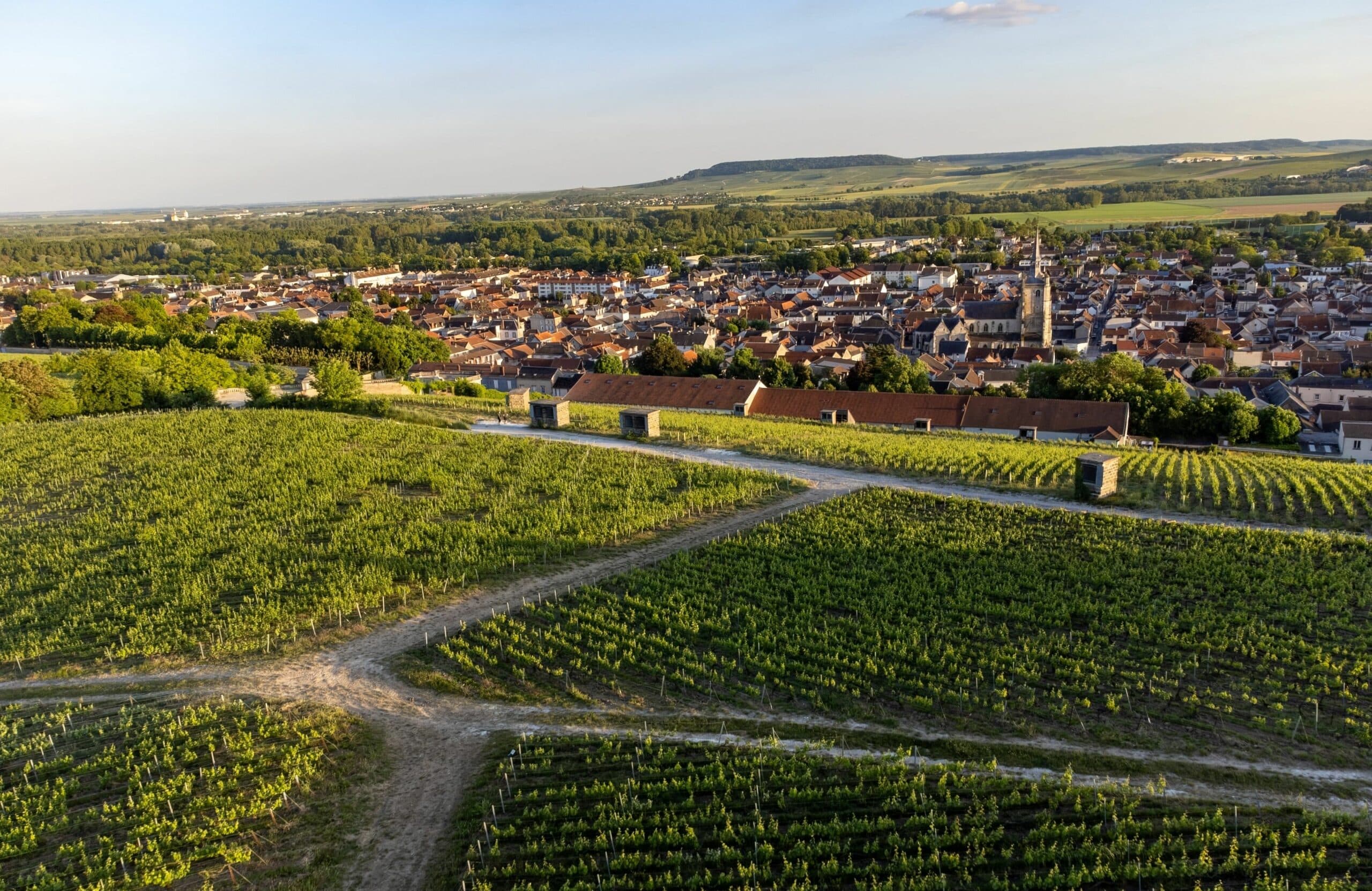
This is the period chosen by our most seasoned clients, those returning for the third or fourth time. Harvest begins in late August or September in Champagne as in Burgundy, depending on how the grapes ripen that year: the estates come alive, the cellars open, and the welcome feels more personal than in high season.
September also brings Les Voiles de Saint-Tropez at the very end of the month, a gathering of classic yachts for which the hotels around the bay are fully booked months in advance. Then come the equinox tides around Mont-Saint-Michel, when the bay fills at a spectacular speed. The Mediterranean stays swimmable until mid-October, when the terraces of Nice still hold their golden light long after the back-to-school rush.
Our signature experiences for this period: a tasting of the Grand Crus of Burgundy, between Gevrey-Chambertin and Puligny-Montrachet. Then comes sabrage among the vines at a family-run Champagne estate, a gesture few visitors ever see this closely.
The season opens with the festivities. The Strasbourg Christmas market, active since 1570 and the oldest in France, opens in late November and runs until December 24th, with its illuminated half-timbered houses and its nativity-figure market. Colmar, Reims and Metz each hold their own version, smaller but just as carefully done. We recommend going on a weekday, late afternoon, to avoid the December weekend crowds.
Once the holidays are over, Paris in January becomes a city for its residents again: the Louvre without a queue, and starred tables that become bookable with barely two weeks’ notice. The Nice Carnival and the Menton Lemon Festival fill February on the Riviera, with floats and flower parades followed around the world.
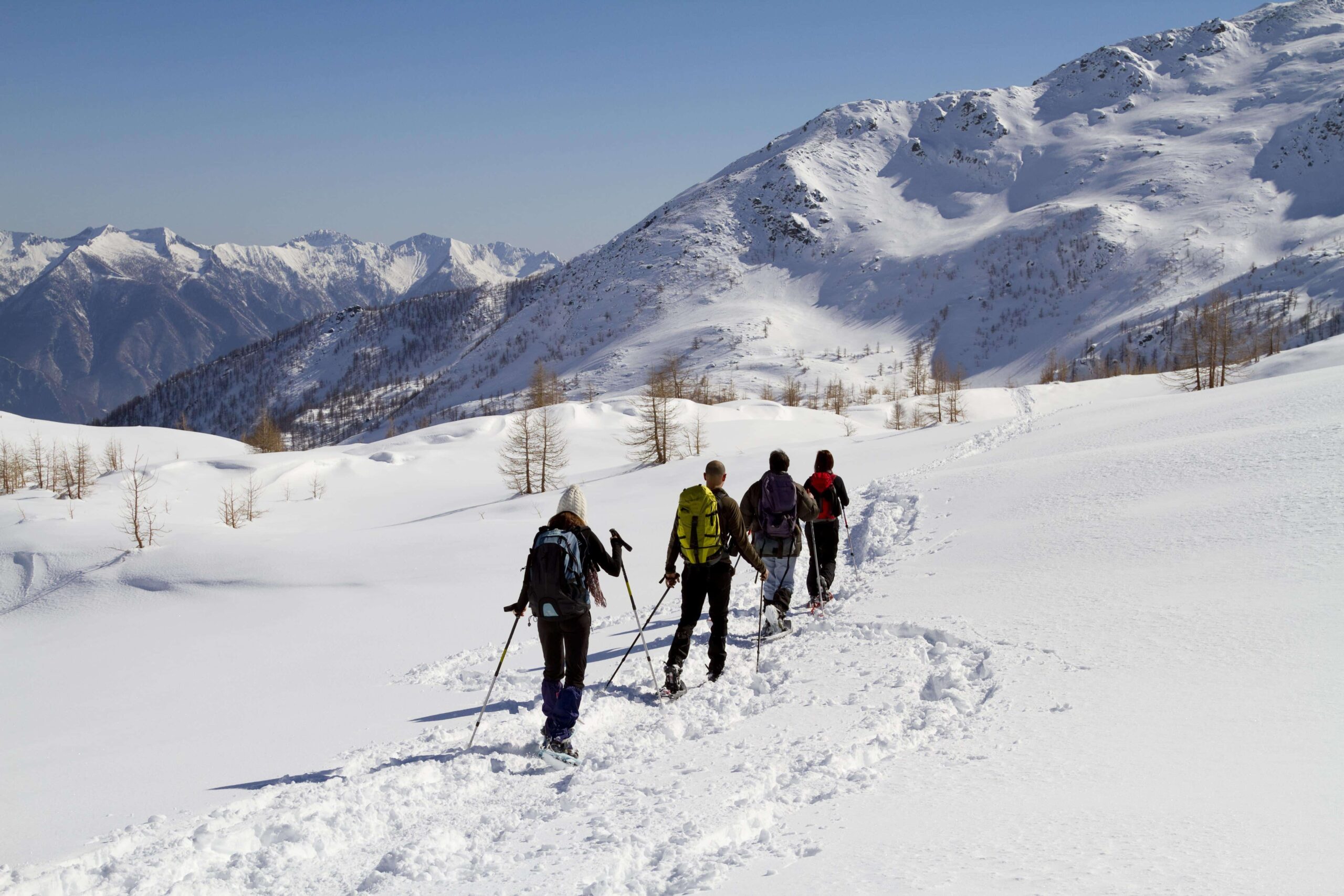
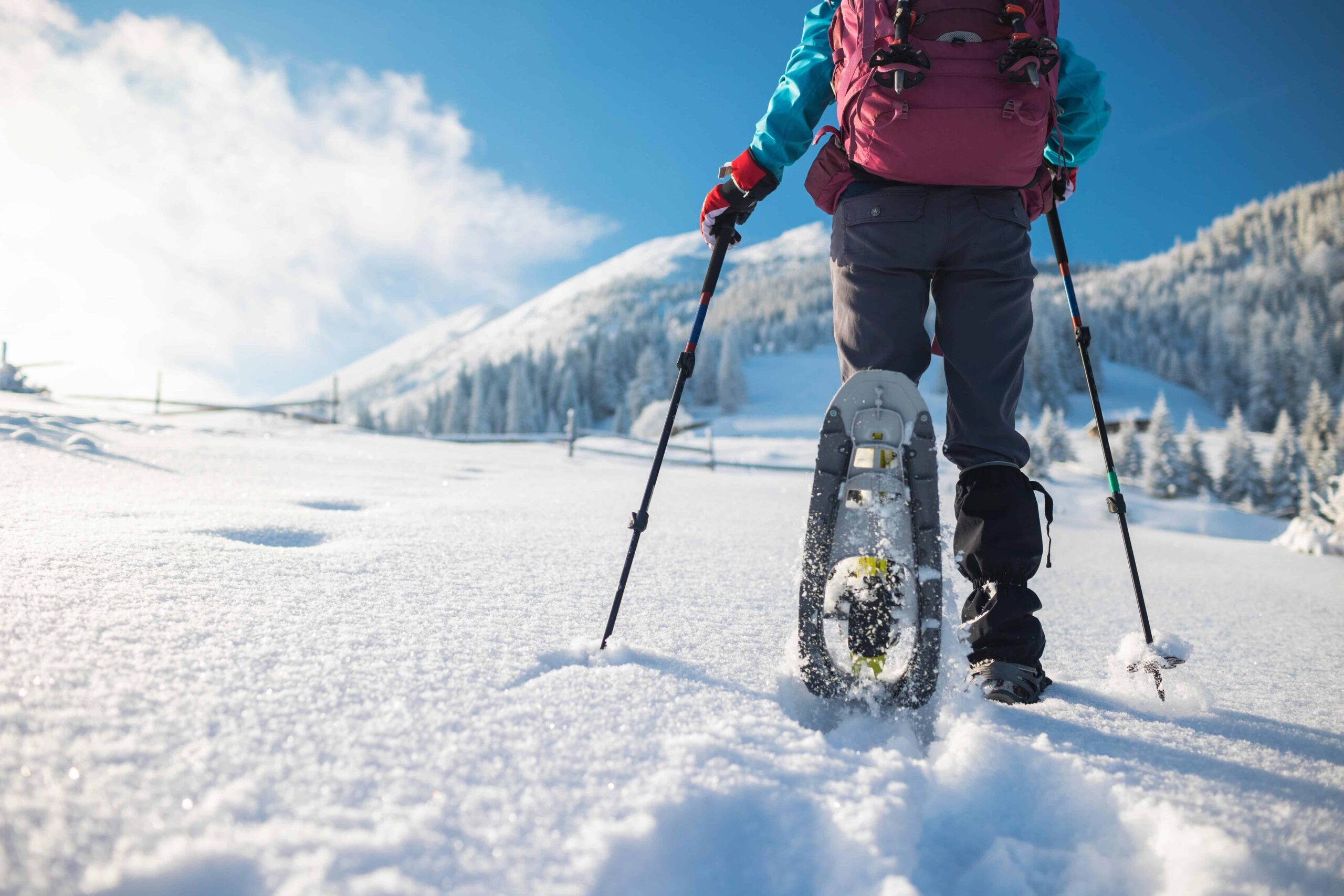
It’s also truffle season in the Southwest from December to February, with dedicated markets in Sarlat or Lalbenque. It’s also the season of snow-capped peaks. In Corsica, snowshoeing across the high peaks reveals an island almost nobody knows, white until March on the ridges of Monte Cinto.
In short, here is the best window for each of the regions where we already organize tailor-made trips.
Each of these windows is handled differently depending on your pace and interests: two weeks’ difference can sometimes completely transform a stay. Our advisors build the calendar with you before booking a single night: see how we design our luxury tours of France.
 Expérience
 Expérience
 Expérience
 Expérience